How Tube Filling Machines Work With Various Tube Materials
1. Introduction
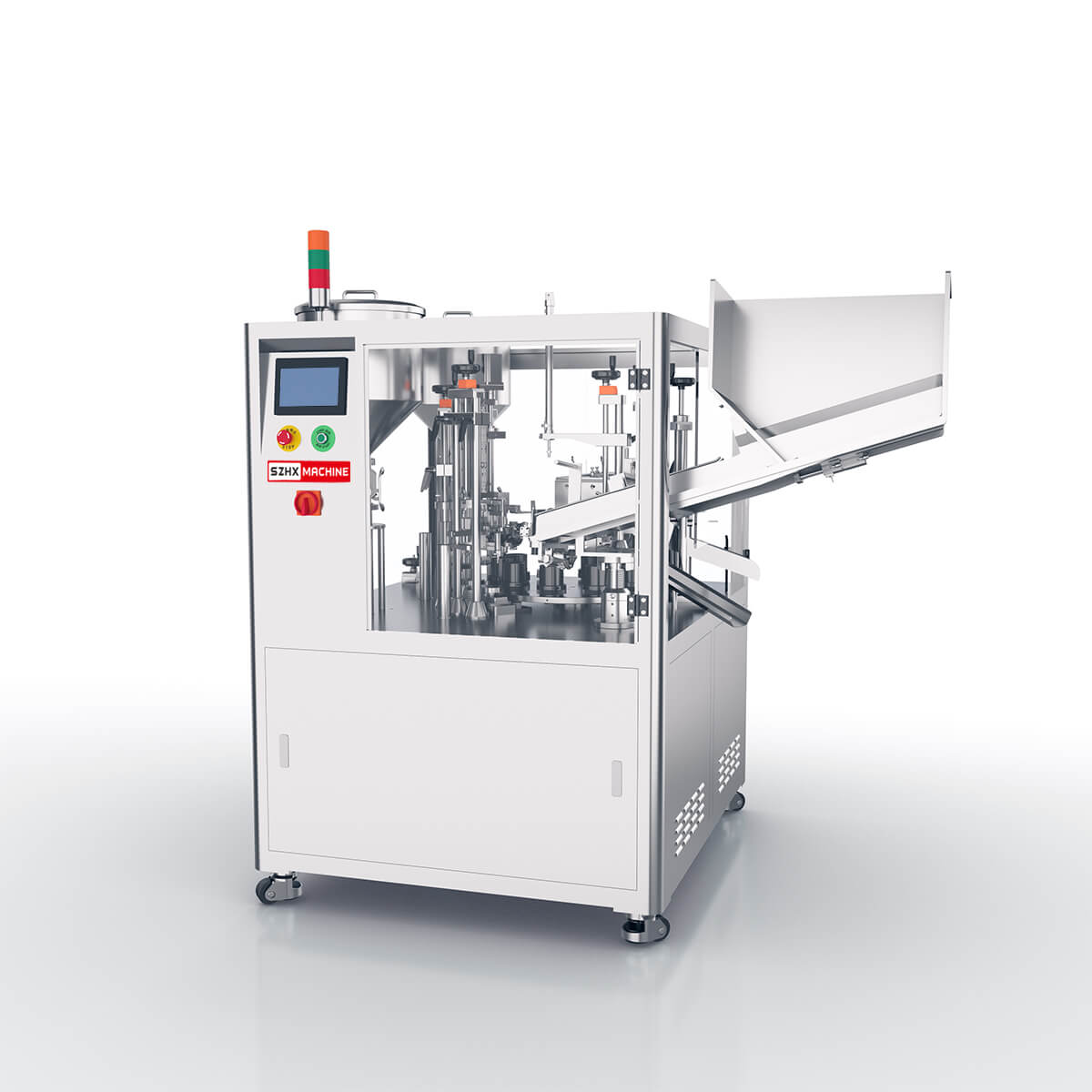
Tube filling machines must adapt to many packaging conditions. Whether the tubes are soft, rigid, or layered, a well-designed machine can ensure smooth and consistent production. This article explores how modern tube filling and sealing machine adjust to different tube types and operating needs.
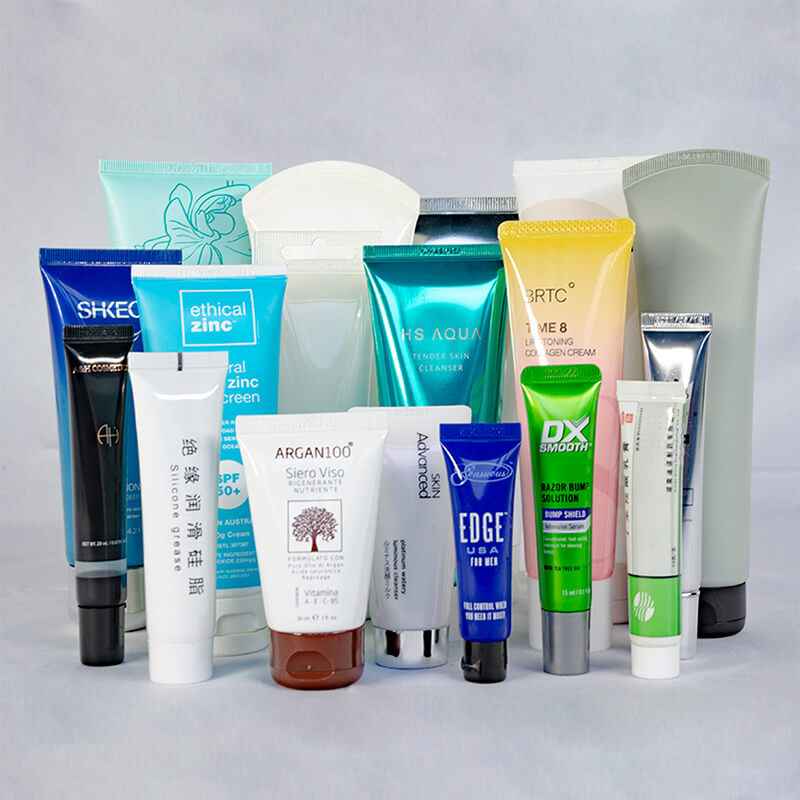
2. Types of Tube Materials
Manufacturers commonly use several tube options—plastic, aluminum, and laminated structures. Each material has its own characteristics, flexibility, and sealing requirements, so machines must adjust accordingly.
Features:
Plastic tube:
- Lightweight and flexible
- Easy to handle and seal
- Ideal for creams, gels, and ointments

Aluminum tube:
- Strong and durable
- Excellent protection against air, moisture, and light
- Keeps products fresh longer
- Perfect for pharmaceuticals and cosmetics

Laminated tube:
- Combines flexibility and strong barrier protection
- Lightweight yet sturdy
- Needs precise sealing to maintain integrity
- Great for sensitive products requiring extra protection

2.1. Handling Plastic Tubes
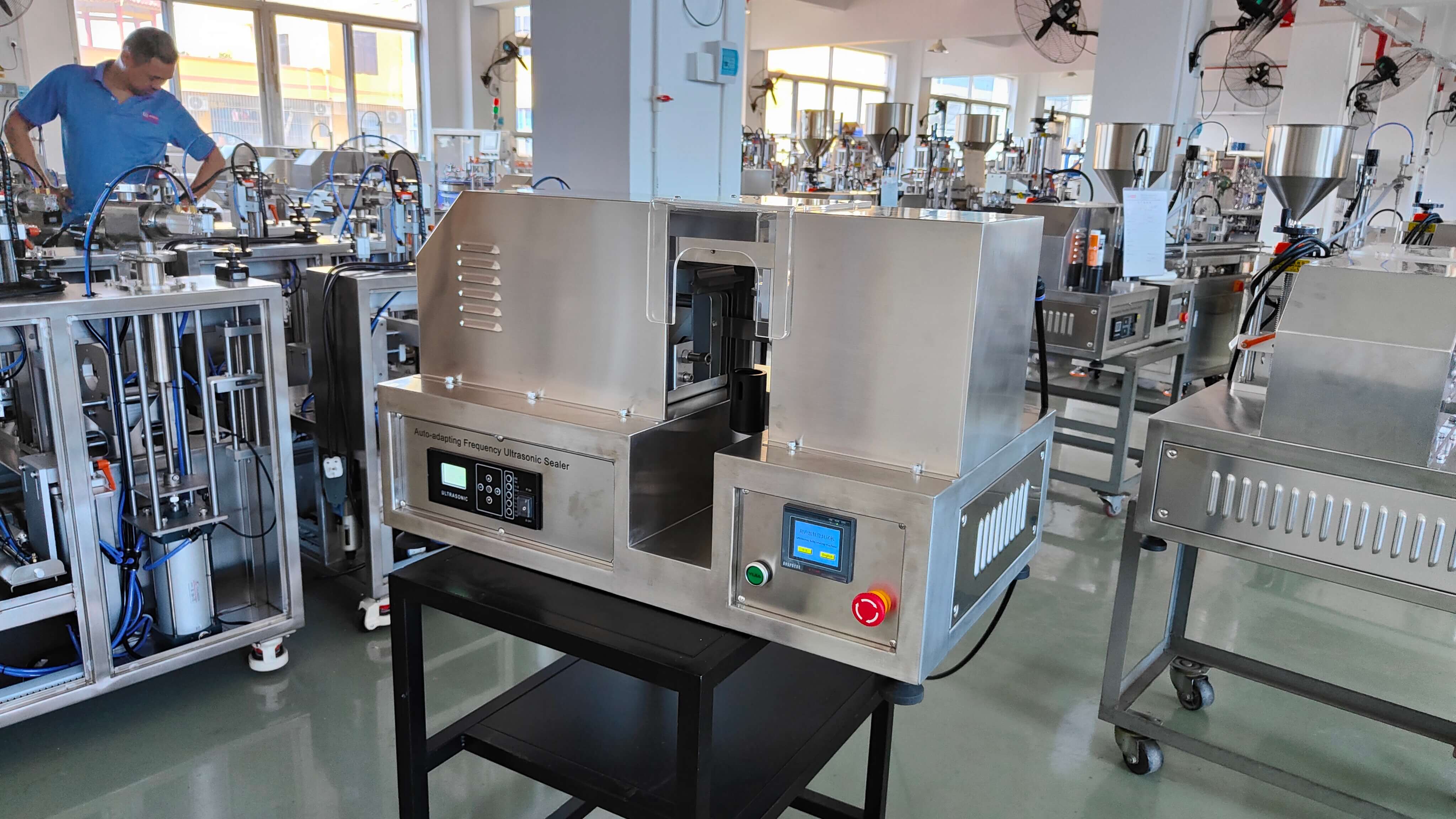
Plastic tubes are widely used because they are lightweight and flexible. Tube fillers typically rely on heat sealing or ultrasonic sealing to close them. These machines gently guide and position soft plastic tubes so they don’t wrinkle or deform during filling.But
While at the same time, plastic tubes can be either single-layer or multi-layer. Tubes with different layer structures require matching tube filling and sealing machines to operate properly.

2.2. Working with Aluminum Tubes
Aluminum tubes are more rigid and sensitive to pressure. Tube fillers handle them by using special folding heads that create tight, clean closures. The machine ensures accurate dosing to prevent overfilling, which could stress or burst the metal tube.
2.3. Processing Laminated Tubes
Laminated tubes combine the benefits of metal and plastic. Machines handle these by using precise temperature control or ultrasonic sealing to bond the layers securely. Careful alignment ensures that the laminated structure stays smooth and intact.
3. Flexible Filling Speed
Different products and tube materials require different production speeds. Tube fillers can automatically modify their cycle rate—slowing down for thick creams or delicate tubes, and accelerating for easier-flowing products.
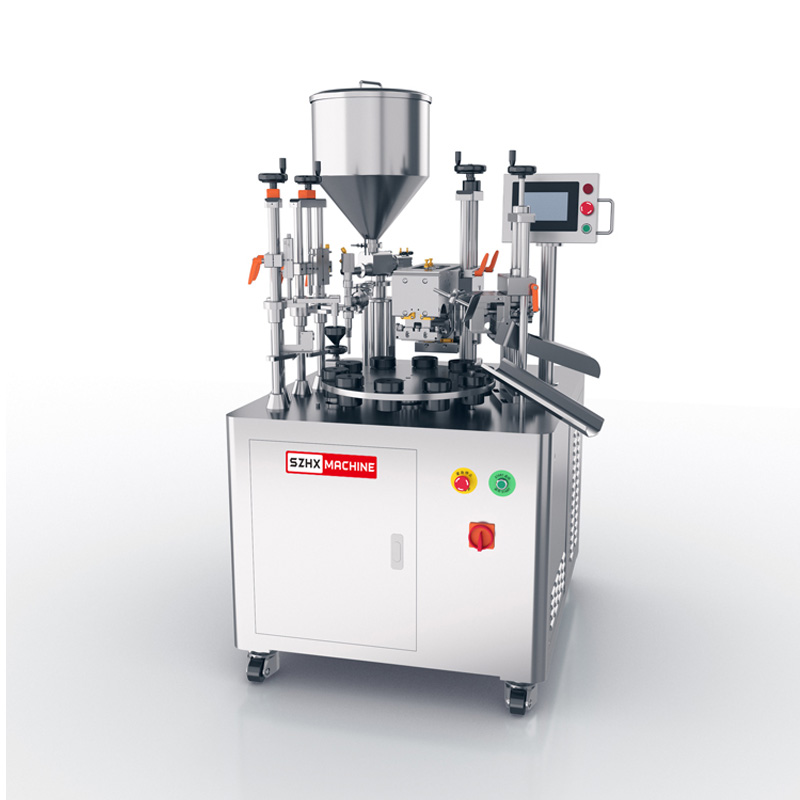
HX-009 allows automatic speed adjustment depending on product viscosity and tube material, ensuring smooth operation for every product type.

4. Ensuring Strong Seals
The sealing step matters a lot. Tube filling and sealing machines can use various sealing techniques, and an automatic filler makes sure the right temperature and pressure are applied for a reliable seal. Machines fine-tune sealing pressure, temperature, or ultrasonic power depending on the tube type. This ensures smooth, firm seals that stay secure during storage and transportation.
Sealing Methods:
- Heat Sealing – Best for plastic tubes.
- Crimping – Ideal for aluminum tubes.
- Ultrasonic Sealing – Suitable for laminated tubes.
A reliable sealing is essential to prevent leaks.Choosing the right sealing method protects the products and wins company reputation.
5. Ensuring Products hygiene
Keeping the equipment clean is essential for good results. Modern tube filling and sealing machines come with built-in cleaning functions, and automatic fillers help minimize any risk of contamination.
Built-in Cleaning Functions
Self-Cleaning Nozzles-Remove the residue
Anti-drip systems-Maintain hygiene
Sanitary product-contact surfaces – Keep the contents pure
304/316 SS-Support clean production
6. Adapting to Tube Sizes
Since tubes vary in length and diameter, filling machines are built with adjustable holders, guides, and lifting mechanisms. Operators can switch between sizes quickly without affecting accuracy.
- Why Tube Size Matters:
Varied Capacities – Smaller tubes require extra accuracy.
Flexible Fill Settings – Helps avoid wasting product.
Adaptable Sealing Options – Guarantees a secure seal for each tube type.
A machine that adjusts quickly keeps the workflow smooth and efficient.

7. Handling Viscous and Liquid Products
Whether dealing with runny gels or thick ointments, tube fillers adjust nozzle types, pressure levels, and pumping systems to accommodate product consistency. This ensures smooth flow for every formulation.
Products come in many textures. A tube filling and sealing machine can work with both heavy, dense formulas and lighter, fluid ones. An automatic filler fine-tunes the pressure to match each product.
Types of Products:
• Creams & Gels – Demand accurate dosing.
• Liquids – Need steady, regulated flow.
• Pastes – Require stronger pushing force.
The machine must adapt its filling power to avoid blockages and keep production running smoothly.
8. Minimizing Product Waste
To keep product loss minimal, machines use precise dosing systems and clean cut-off nozzles. Accurate filling means less spillage and better use of raw materials.
Wastage cuts into profits. Tube filling and sealing machines help limit product loss, while automatic fillers deliver precise amounts every time.
How Machines Cut Waste:
• Accurate Nozzles – Stops dripping and spills.
• Automatic Stop – Auto stop when reaching the volume
• Vacuum Filling – Removes air bubbles.
Reducing waste not only saves costs but also keeps production running efficiently.
9. Boosting Production Efficiency
Automated tube feeding, quick changeover features, and real-time monitoring help improve output. Modern machines are designed to run continuously with minimal manual intervention.
Higher efficiency means higher profits. Tube filling and sealing machines speed up the process, while automatic fillers keep everything running smoothly.
Efficiency Advantages:
• Automated Controls – Cuts down on manual labor.
• Intelligent Sensors – Spot problems early.
• Uninterrupted Operation – Raises overall output.These machines streamline workflow and help get the most out of every production run.
10. Preserving Tube Shape
Some tubes can deform easily. Tube fillers use supportive mandrels or clamps to hold tubes steady, ensuring they remain round and presentable throughout the filling and sealing process.
The shape of a tube impacts both usability and appearance. Tube filling and sealing machines prevent deformation, while automatic fillers handle tubes gently.
How Machines Keep Tubes Perfect:
• Uniform Pressure – Avoids dents or squashes.
• Accurate Folding – Maintains tube integrity.
• Adjustable Holders – Accommodates different sizes.
Well-shaped tubes enhance customer satisfaction and make products more appealing.

11. Secure and Dependable Operation
Safety comes first. Safety sensors, emergency stops, and overload protections allow machines to work smoothly and safely. Tube filling and sealing machines are equipped with protective systems, and automatic fillers help avoid potential hazards.In this way,operators can run production with confidence.
- Key Safety Features:
Safety Sensor – Detect abnormal conditions & Prevent accidents
Emergency Stop – Instant shutdown & Minimizes damage
Temperature Regulation – Prevents overheating.
Overload protection– Prevents parts damage & Extends machine life
Reliable machines keep operators safe and production running smoothly.
12.Flexible Machine Settings
Every factory has unique requirements. Tube filling and sealing machines offer customizable settings, and automatic fillers can adjust to meet specific needs.
Different products require different machine behaviors. Most tube fillers offer programmable settings, allowing teams to fine-tune parameters like fill volume, sealing conditions, and sealing patterns (round corner,seesaw ,cat-ear and wave-shape)for consistent results.
- Custom Options:
Filling volume/filling speed-– Adjustable for all products.
Sealing patterns -Customized (round corner,seesaw ,cat-ear and wave-shape)for each tube type.
Multi-tube choices–Supports a variety of sizes.