How do Strip TubeFilling Sealing machines work?
Did you know that single-dose (monodose) packaging demand is growing at over 6% annually, especially in cosmetics and pharmaceutical eye-care markets?
Consumers today value hygiene, precise dosing, portability, and product safety more than ever. This is exactly where monodose strip tube packaging stands out.
To meet this demand, manufacturers rely on a monodose strip tube filling and sealing machine—a highly specialized system designed for accuracy, cleanliness, and efficiency.
But how does this machine work, and why is it so important for serum and eyedrop products?
Let’s take a closer look.
1. What Is a Strip Tube Filling and Sealing Machine?
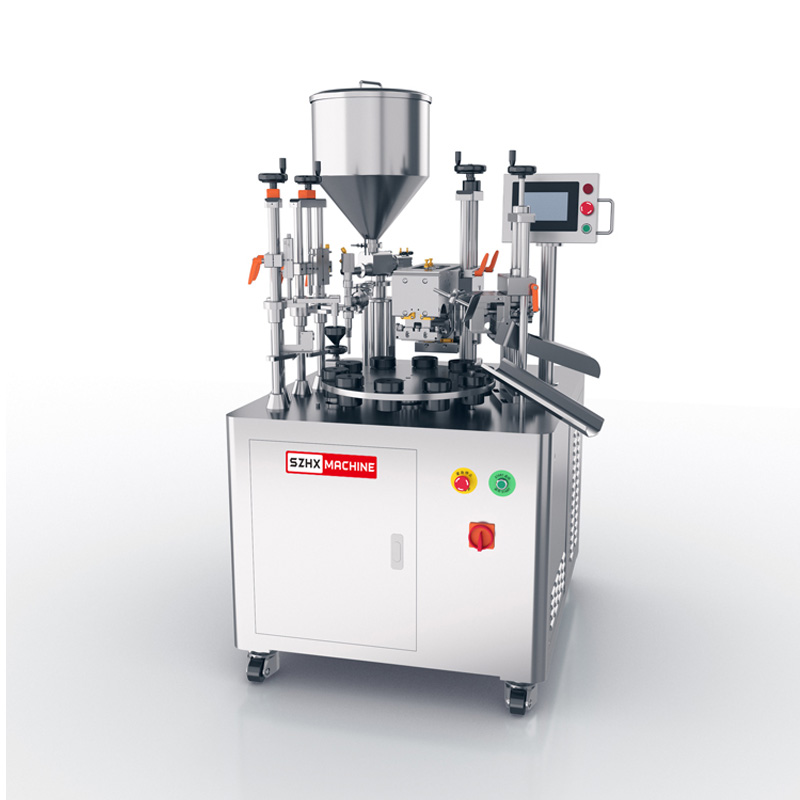
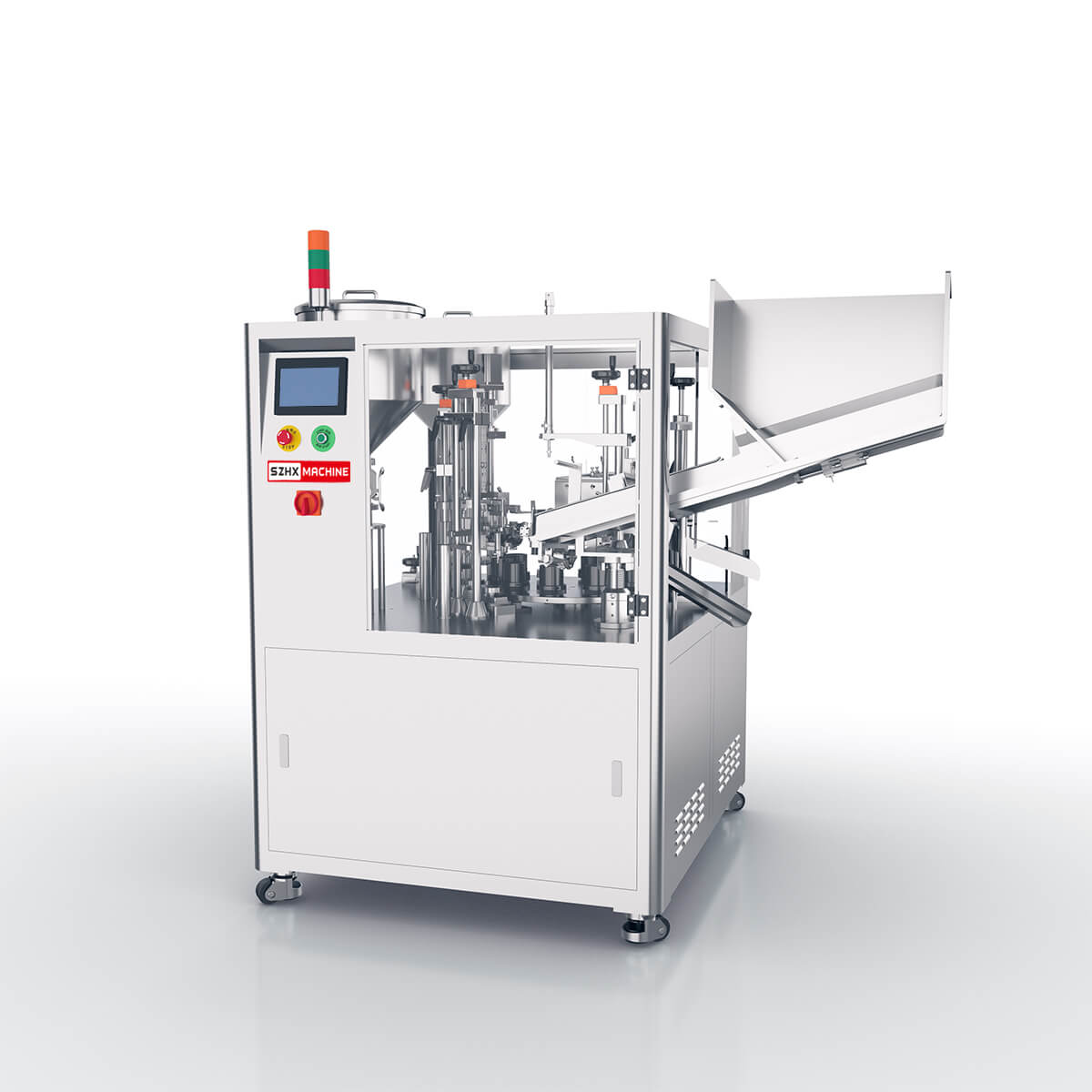
A strip tube filling and sealing machine is a precision packaging system designed to fill, seal, and finish single-use plastic ampoules or tubes with liquid or semi-liquid products.
These ampoules are commonly used for:
- Cosmetic serums
- Eye drops
- Saline solutions
- Medical and dermatological liquid
The machine performs multiple operations automatically, including:
- Ampoule feeding
- Precise volumetric filling
- Heat or ultrasonic sealing
- Cutting and finished product discharge
Because each ampoule is designed for single-use, the machine must meet strict hygiene and dosing accuracy standards. That’s why these machines are widely used in GMP-compliant cosmetic and pharmaceutical facilities.
2. Significance of Monodose Packaging
Monodose packaging plays a critical role in modern cosmetic and medical product delivery.
Each ampoule contains one exact dose, eliminating the need for preservatives and reducing contamination risk. This is especially important for:
Preservative-free eye drops
High-activity cosmetic serums
Sensitive formulations
Additionally, monodose packaging:
Extends shelf life
Improves consumer safety
Enhances brand image with premium packaging
3. Key Components of a Monodose Strip Filling and Sealing Machine
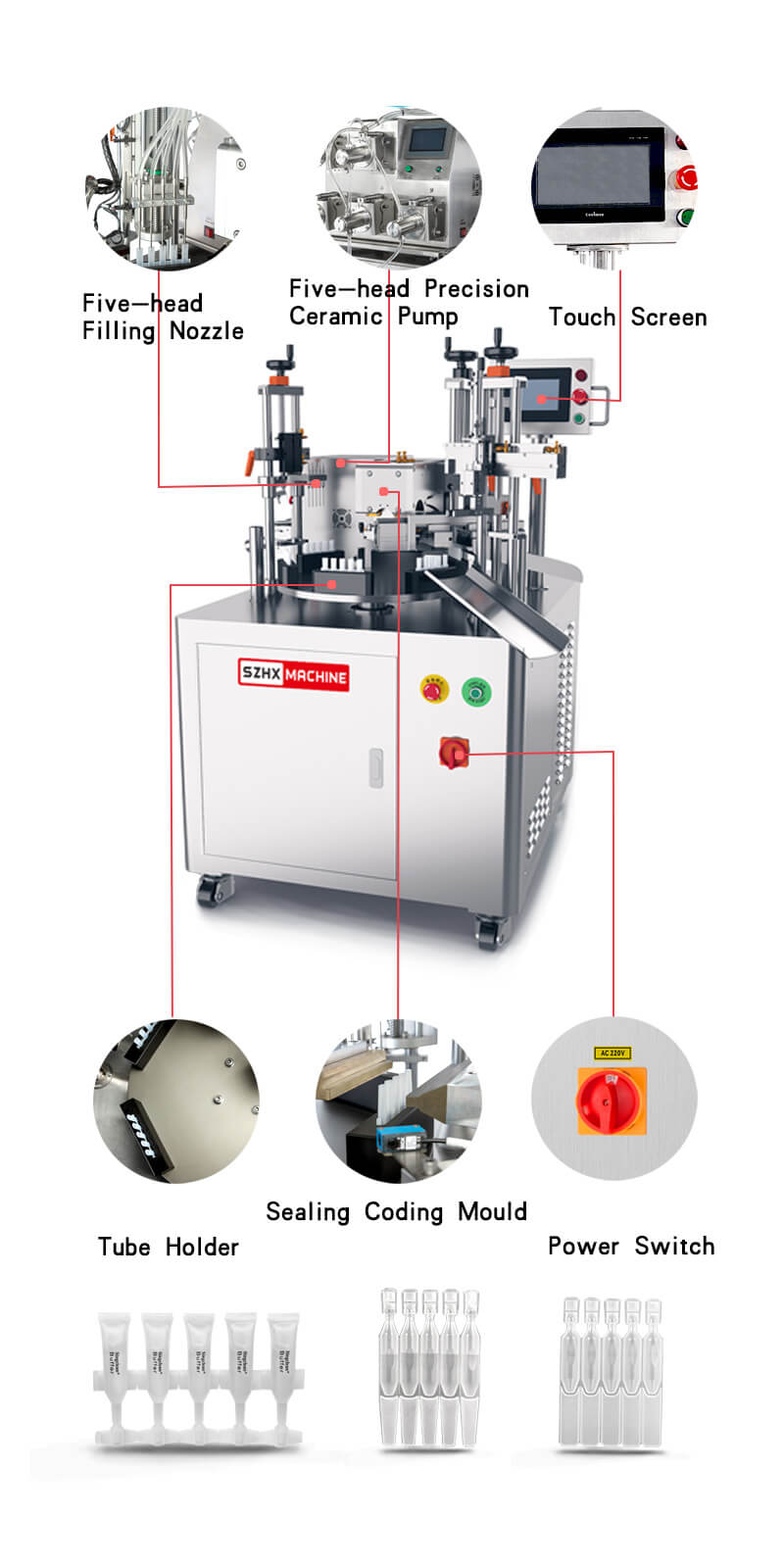
To understand how the machine works, let’s break it down into its essential components
3.1 1. Strip Feeding System
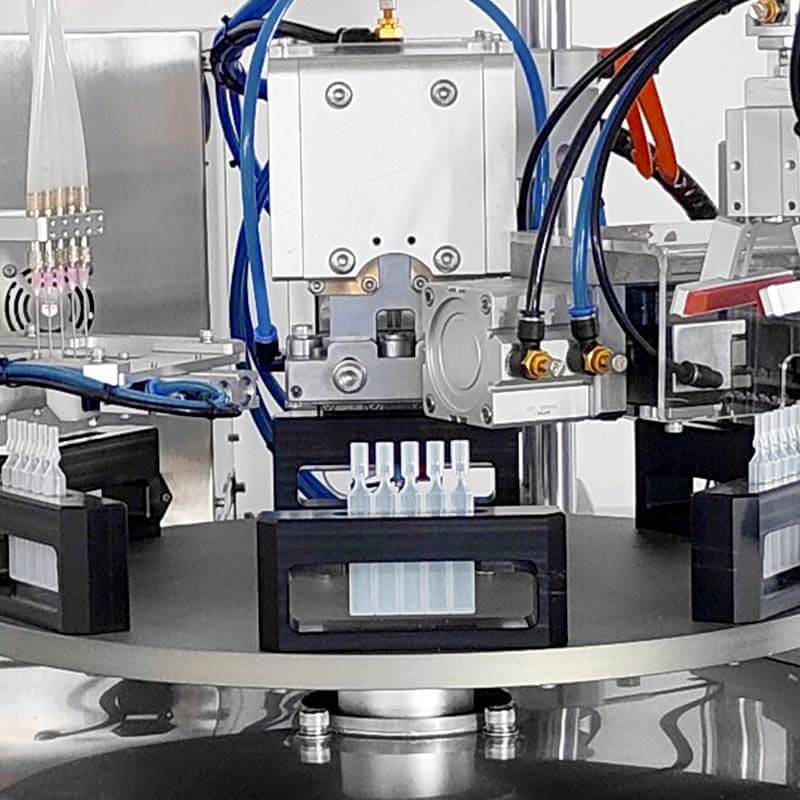
The feeding system automatically positions empty plastic ampoules or tubes into the machine.
Depending on the design, it may use:
Hopper feeding
Magazine loading
Rotary indexing tables
This system ensures stable, accurate positioning of each ampoule before filling, preventing deformation or misalignment.
3.2 Filling System
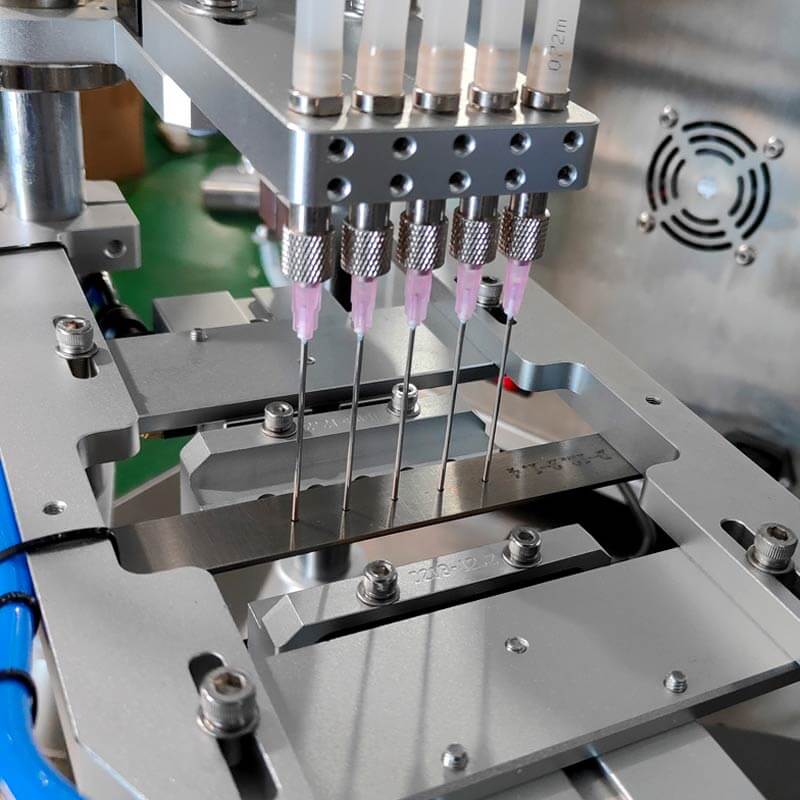
The filling system is responsible for high-precision dosing, which is crucial for monodose products.
Common filling technologies include:
Ceramic piston pumps
Peristaltic pumps
Servo-driven volumetric fillers
These systems ensure consistent fill accuracy, often within ±1%, even for low-viscosity liquids like eye drops or high-value cosmetic serums.
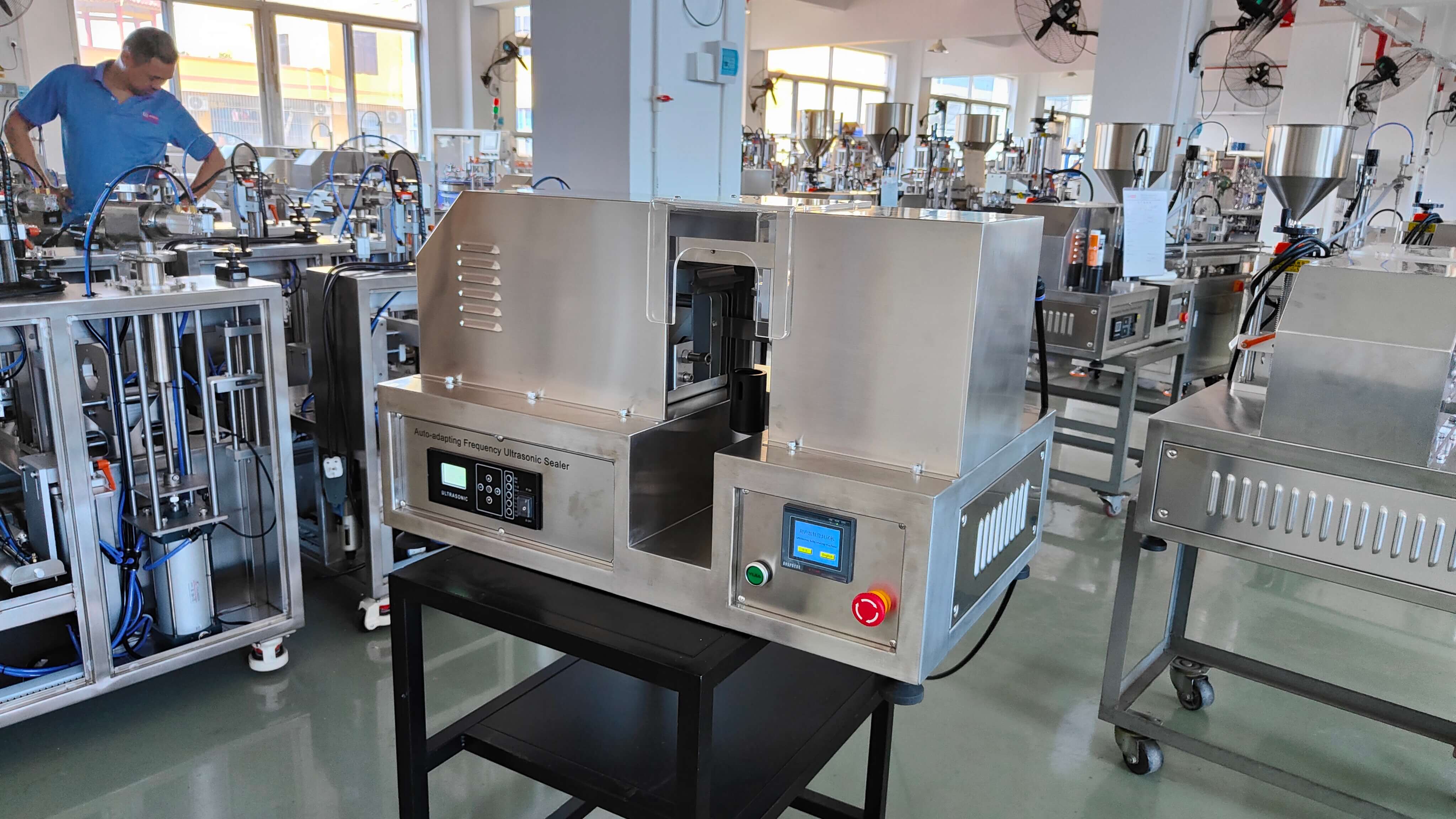
3.3 Sealing Station
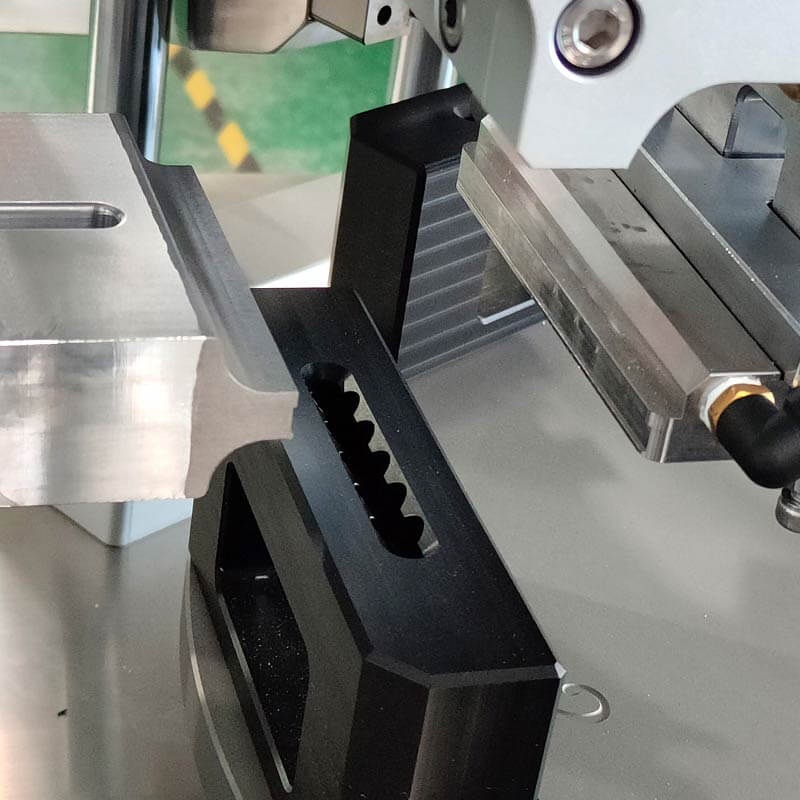
The sealing station is the heart of the machine.
Strip tubes are sealed using:
Heat sealing
Ultrasonic sealing
Ultrasonic sealing is particularly popular for cosmetic and medical applications because it:
Produces clean, strong seals
Reduces thermal impact on sensitive formulas
Ensures leak-proof performance
The result is a tamper-evident, airtight seal.
3.4 Cutting and Trimming Unit
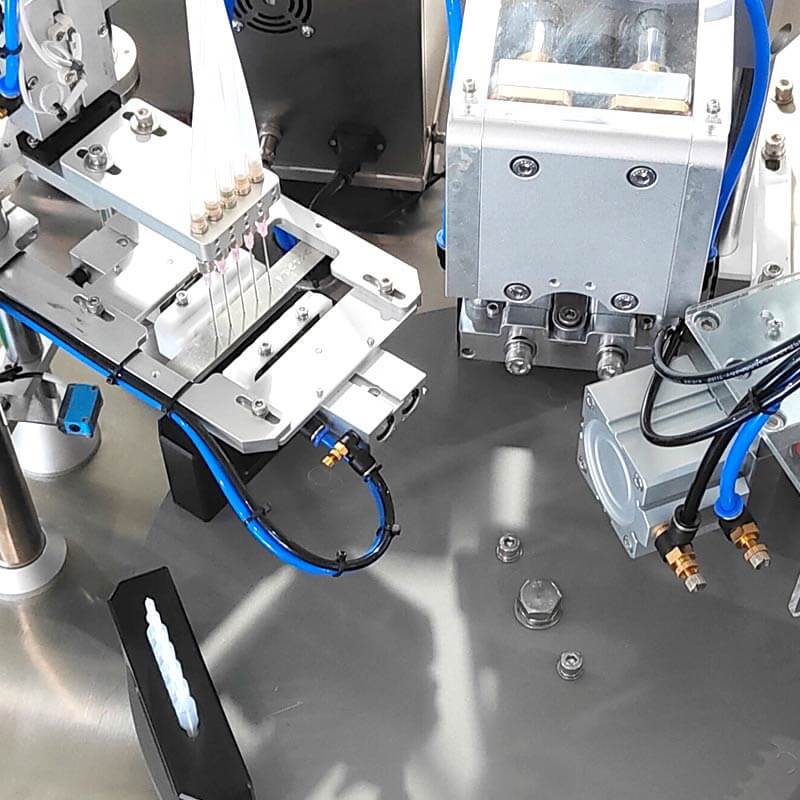
After sealing, the ampoules are still connected as a strip.
The cutting unit:
Separates individual ampoules
Trims excess material
Ensures uniform appearanceThis step is essential for ac
3.5 Drive Mechanism
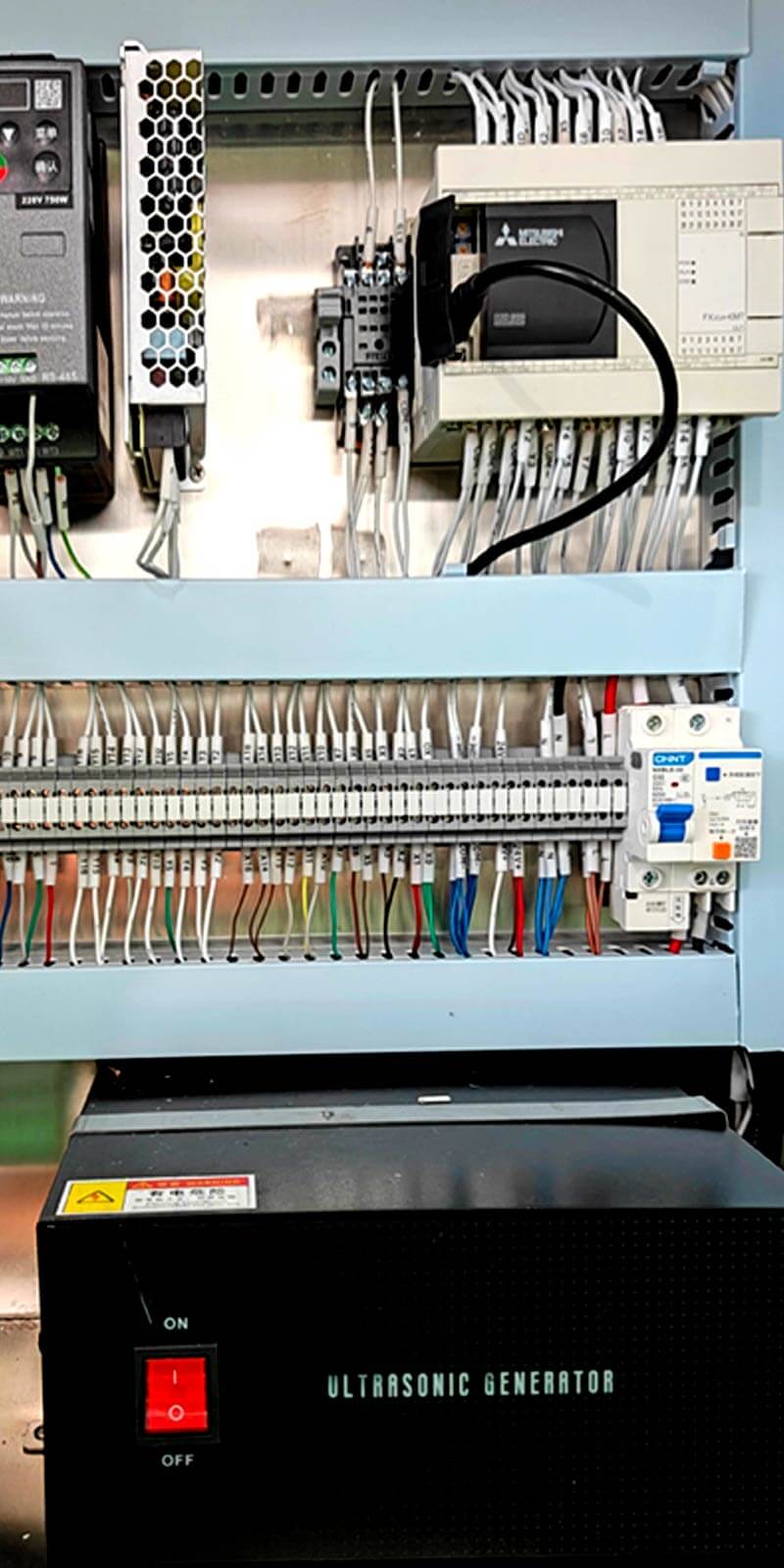
The drive system synchronizes all machine movements.
It includes:
Servo motors
Timing belts
Precision gear assemblies
A stable drive mechanism ensures smooth operation and consistent output. Any disruption here can cause filling errors or sealing defects.
3.6 Control Panel (PLC/HMI Interface)
Modern machines are equipped with PLC control systems and touch-screen HMIs.
Operators can:
Adjust filling volume
Set sealing temperature or ultrasonic parameters
Monitor production speed
Receive fault alerts in real time
This level of control improves efficiency and reduces downtime.
How Does a Monodose Strip Filling and Sealing Machine Work?
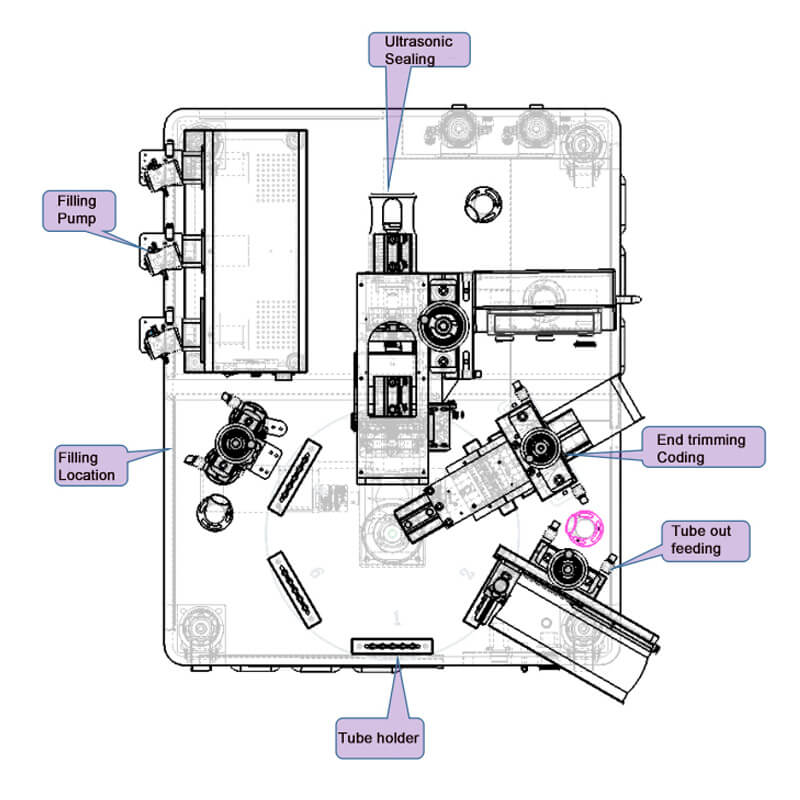
4.1 Strip tube Feeding and Positioning
Empty plastic ampoules are automatically fed into the machine and positioned upright.
Sensors ensure each ampoule is correctly placed before moving to the filling station.
4.2 Precise Filling
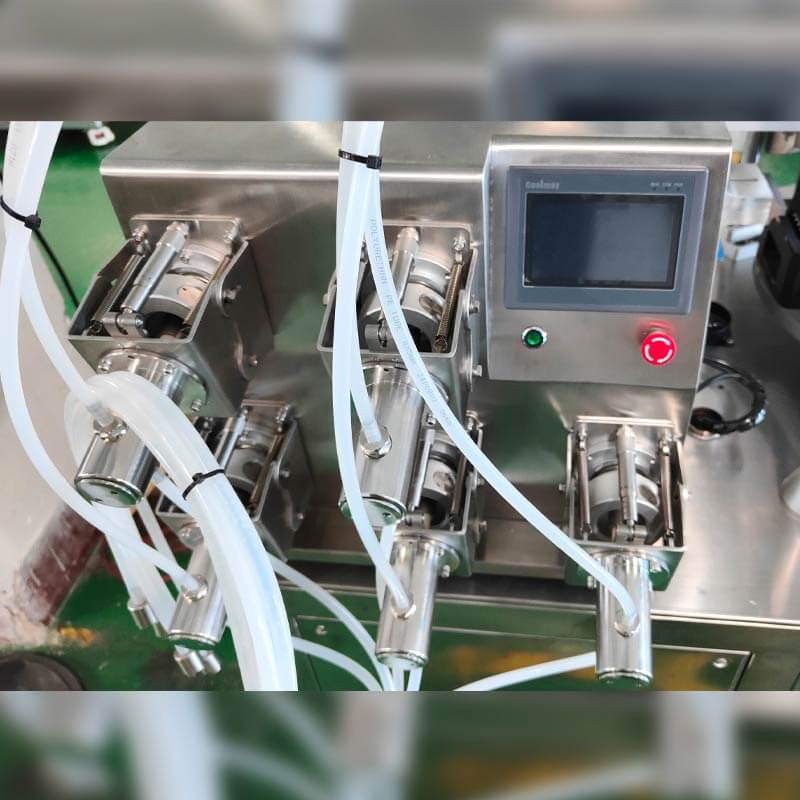
The filling system dispenses an exact amount of product into each ampoule.
Whether it’s a cosmetic serum or sterile eye drop solution, the system ensures:
No underfilling
No overflow
4.3 Sealing Process
Once filled, the ampoules move to the sealing station.
Here, heat or ultrasonic energy melts and bonds the plastic neck, forming a secure, hermetic seal that protects the product from air and contamination.
4.4 Cutting and Output
The sealed ampoule strip is then cut into individual units or small connected strips, depending on packaging requirements.
Finished products are automatically discharged for secondary packaging.
4.5 Quality Assurance and Monitoring
Many machines integrate:
Leak detection
Vision inspection systems
Weight checking
These systems help detect defective ampoules and maintain high production standards.
5. Uses and Benefits of Monodose Packaging for Cosmetic Serums and Eyedrops
5.1 Superior Hygiene and Safety
Each ampoule is used once and then discarded, eliminating cross-contamination risks. This is especially critical for ophthalmic products.
5.2 Accurate Dosing
Monodose packaging ensures the user receives the exact amount required, improving treatment effectiveness and user experience.
5.3 Preservative-Free Formulations
Because the product is sealed airtight, manufacturers can reduce or eliminate preservatives—highly valued in premium cosmetics and medical products.
5.4 Portability and Convenience
Monodose ampoules are:
Lightweight
Easy to carry
Ideal for travel and on-the-go use
5.5 Regulatory Compliance
Monodose packaging supports compliance with:
GMP standards
Pharmaceutical and cosmetic safety regulations
Batch numbers, expiry dates, and traceability features can be easily integrated.
6. Types of Monodose Strip Filling Machines
6.1 Form-Fill-Seal (FFS) Ampoule Machines
These machines form the ampoule from plastic film, fill it, seal it, and cut it—all in one continuous process.
They are commonly used for:
Saline solutions
Eye drops
6.2 Preformed Ampoule Filling and Sealing Machines

They are ideal for:
Cosmetic serums
Eye/earwash products
Saline solutions
Eye drops
6.3 Rotary vs. Linear Monodose Machines
Rotary machines offer higher speed and compact design
Linear machines provide flexibility and easier maintenance
The choice depends on production volume and product type.
7. Common Challenges
Filling Accuracy Control
Low-viscosity liquids can cause dripping or foaming if parameters are not properly set.
Sealing Consistency
Incorrect sealing temperature or ultrasonic settings can lead to weak seals or deformation.
Material Compatibility
Different plastic materials require adjusted sealing parameters to maintain seal strength.
8. Summing Up
A monodose plastic ampoule tube filling and sealing machine is an essential solution for modern cosmetic and ophthalmic packaging.
It delivers:
Precise dosing
High hygiene standards
Attractive, functional packaging
For manufacturers of cosmetic serums and eyedrops, this machine is a smart, future-proof investment that meets both market demand and regulatory requirements.